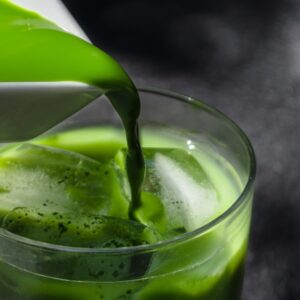
If you’re seeking a nutrient-dense, plant-based superfood that packs a punch, search no further than spirulina. This blue-green algae is rich in protein, antioxidants, and other essential nutrients and has been utilised for centuries as both a food source and medicine. Keep reading to delve into the benefits of spirulina how to use it, and the environmental impact of spirulina farming and production.
What is Spirulina and its benefits?
Spirulina is a type of cyanobacteria, or blue-green algae, that thrives in both freshwater and saltwater environments. It has been consumed by humans for centuries, particularly in Central and South America and Africa.
Spirulina is valued for its nutritional content, being rich in protein, vitamins, minerals, and antioxidants. As such, it is a popular supplement for vegetarians, vegans, and health-conscious individuals.
Nutritional Profile of Spirulina
One of the principal benefits of spirulina is its nutritional value. Here’s a breakdown of its key nutrients:
- Protein: Spirulina is a complete protein source, meaning it contains all nine essential amino acids. It is particularly high in the amino acids lysine, threonine, and tryptophan.
- Vitamins: Rich in vitamins B1, B2, and B3, as well as vitamins C, D, and E.
- Minerals: Spirulina is a good source of minerals, including iron, calcium, magnesium, and potassium.
- Antioxidants: Contains a range of antioxidants, including phycocyanin, beta-carotene, and zeaxanthin.
Forms and Varieties of Spirulina
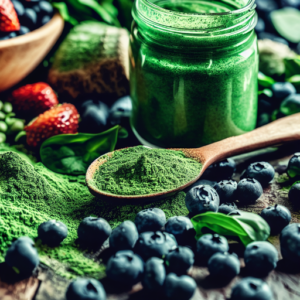
Spirulina is available in several forms, including powder, capsules, and tablets. Powdered spirulina can be added to smoothies, juices, and other drinks. Capsules and tablets are a convenient way to take spirulina on the go.
There are also several varieties of spirulina, including Arthrospira platensis and Arthrospira maxima, which are the most common types used for supplements and food.
How Spirulina is Produced and Harvested

Spirulina is typically grown in shallow ponds or tanks exposed to sunlight. The algae then grows rapidly and can be harvested within a few weeks.
The harvesting process usually involves filtering the algae from the water. It is then dried into a powder or formed into tablets or capsules. Some manufacturers also use spray-drying, which involves spraying the spirulina into a fine mist that dries quickly.
Health Benefits of Spirulina
Spirulina has been studied for its potential health benefits. Research suggests that it may have a range of positive effects on the body. Here are some of the key health benefits of spirulina:
Antioxidant Properties
A rich source of antioxidants, spirulina can help protect the body from oxidative stress and damage caused by free radicals. The antioxidant phycocyanin, in particular, has been shown to have potent antioxidant effects.
Anti-Inflammatory Effects
Spirulina may help reduce inflammation in the body, which is linked to a range of chronic health conditions. Studies have shown that spirulina can reduce inflammation markers in the blood, such as C-reactive protein and interleukin-6.
Immune System Support
Spirulina may help support the immune system by increasing the production of white blood cells, which play a key role in fighting infections and disease. Several studies have shown that spirulina can increase the production of antibodies and other immune cells.
Lowering Cholesterol
Spirulina has been shown to help reduce cholesterol levels in the blood. Spirulina supplements could help reduce LDL (or “bad”) cholesterol levels while also improving the cholesterol profile in people with type 2 diabetes.
Improving Blood Sugar Control
Several studies have suggested that spirulina may help improve blood sugar control, which is important for people with diabetes or other metabolic conditions.
Exercise Performance
Spirulina has been studied for its potential effects on exercise performance. It can help with endurance and assist with reducing fatigue in trained athletes.
How to Use Spirulina
Spirulina is available in several forms, including powder, capsules, and tablets. Here are some tips for using spirulina:
- Powdered spirulina can be added to smoothies, juices, and other drinks. Start with a small amount and gradually increase the dose as your body adjusts to the taste and texture.
- Spirulina capsules and tablets are a convenient way to take spirulina on the go. Follow the dosage instructions on the package.
- Spirulina can also be added to food, such as salads, soups, and stir-fries. Make sure you store yours in a cool, dry place away from sunlight.
Spirulina Recipes
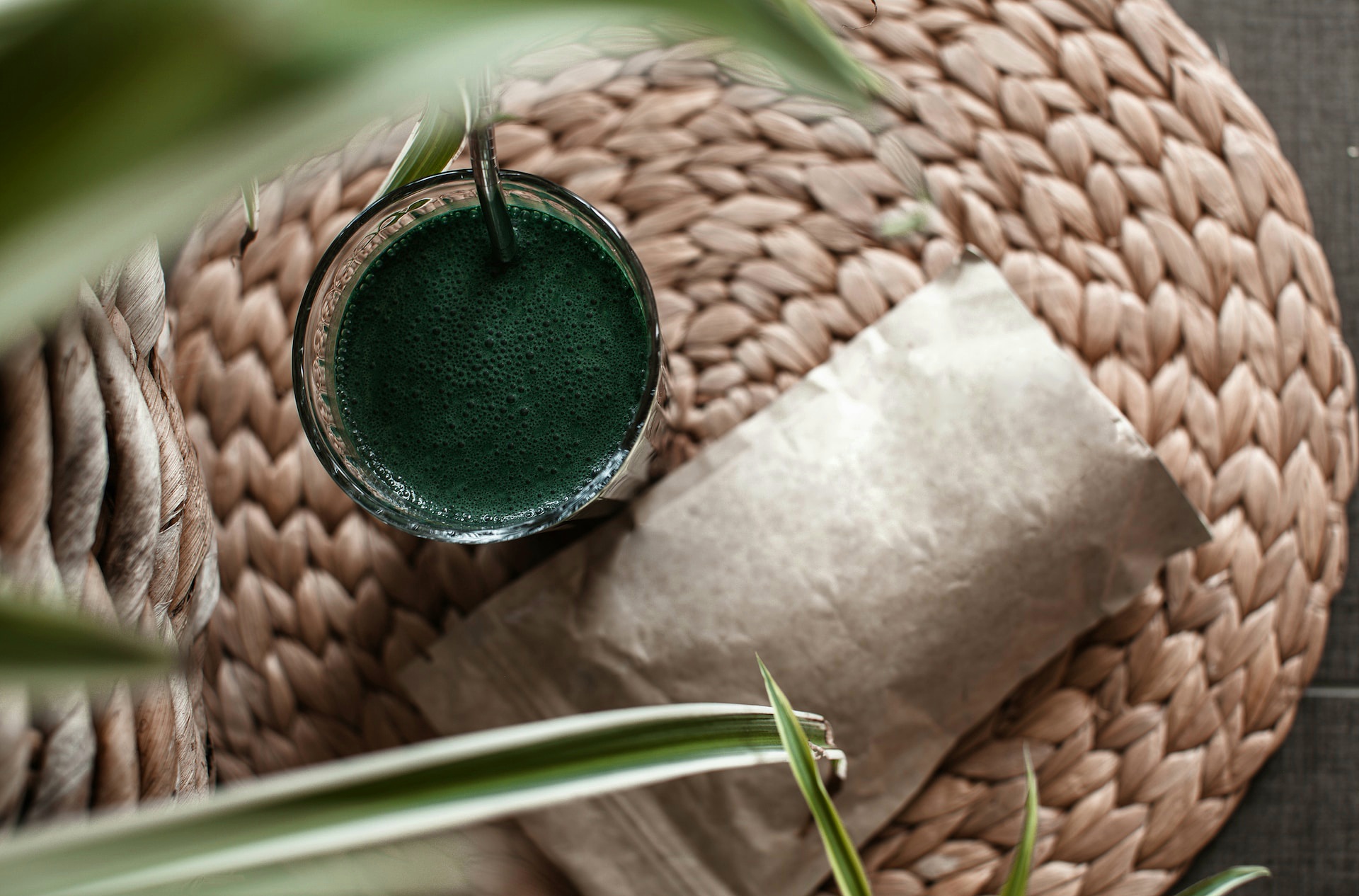
If you’re looking to incorporate spirulina into your diet, here are a few simple and delicious recipe ideas:
Spirulina Smoothie
- 1 cup of almond milk
- 1 frozen banana
- 1/2 cup of frozen mixed berries
- 1 tablespoon of spirulina powder
- 1 tablespoon of chia seeds
- 1 teaspoon of honey (optional)
Blend all ingredients together until smooth, and enjoy!
Spirulina Energy Balls
- 1 cup of rolled oats
- 1/2 cup of almond butter
- 1/3 cup of honey or maple syrup
- 1/4 cup of ground flaxseed
- 1 tablespoon of spirulina powder
- 1/2 cup of unsweetened shredded coconut
- 1/2 cup of chocolate chips (optional)
Mix all ingredients together in a bowl. Form into balls and refrigerate for at least 30 minutes before enjoying.
Spirulina Pesto
- 2 cups of fresh basil leaves
- 1/4 cup of pine nuts or walnuts
- 1/4 cup of grated parmesan cheese
- 1-2 cloves of garlic
- 1 tablespoon of spirulina powder
- 1/2 cup of olive oil
- Salt and pepper, to taste
In a food processor, blend basil, nuts, parmesan, garlic, and spirulina until finely chopped. Gradually add olive oil while blending, until a smooth paste forms. Season with salt and pepper. Use it as a spread, dip or to mix with pasta.
Potential Side Effects of Spirulina
Spirulina is generally considered safe for most people, but there are some potential side effects to be aware of. These may include:
- Digestive issues, such as bloating, gas, and diarrhoea. This can occur if you’re not used to consuming high-fibre foods.
- Allergic reactions, mostly in people who are allergic to seafood or other types of algae.
- Interactions with medications, particularly those that affect the immune system or blood thinners.
It’s always a good idea to talk to your doctor before starting any new supplement, including spirulina.
Benefits of Spirulina and Sustainability
As more people become interested in the health benefits of spirulina, it’s important to consider the environmental and ethical impact of its production and consumption. Here are some key factors to consider when it comes to spirulina and sustainability:
Environmental benefits of spirulina farming
Spirulina is a highly sustainable food source, with several environmental benefits compared to traditional farming practices. Here are a few reasons why:
- Water usage: Spirulina can be grown in tanks or ponds using a closed-loop system that recycles water. This means that the farming process uses significantly less water than traditional agriculture.
- Land usage: Spirulina can be grown on land that is unsuitable for other crops, such as arid or desert regions. This means that spirulina farming doesn’t compete with other crops for land.
- Carbon footprint: The production has a relatively low carbon footprint compared to other types of foods, due to its efficient use of resources and lack of reliance on fossil fuels.
Ethical considerations when choosing a spirulina product
When choosing a spirulina product, it’s important to consider the ethical implications of its production. Things to consider include:
- Organic and non-GMO: Look for products that are certified organic and non-GMO. This can help ensure that the product was produced without harmful chemicals or genetic modification.
- Fair trade and labour practices: Consider choosing a spirulina product that is produced using fair trade and ethical labour practices. This can help ensure that the workers involved in the production of the product are treated fairly and receive a living wage.
- Packaging: Consider choosing a product that is packaged in a sustainable and eco-friendly way. This could include using biodegradable materials or minimal packaging.
Future of spirulina production and consumption
Scaling up production
With increasing demand for this green goodness, there is a need to scale up production to meet the needs of consumers. This may involve developing new and innovative methods for spirulina farming, such as using vertical farms or incorporating spirulina into existing aquaculture systems.
Product innovation
Being a versatile food source, spirulina can be used in a variety of products, from smoothies and snacks to supplements and cosmetics. There is a growing trend towards developing new and innovative spirulina products, such as spirulina-infused skincare products or spirulina-based meat alternatives.
Education and awareness
As spirulina becomes more mainstream, there is a need to educate consumers about the health benefits and sustainability credentials of spirulina. This may involve working with retailers and other stakeholders to increase awareness and promote the benefits of spirulina.
Final Thoughts
Spirulina is a nutrient-dense, plant-based food that has been consumed for centuries and has been studied for its potential health benefits. Whether you’re looking to boost your immune system, reduce inflammation, or improve your exercise performance, spirulina may be worth considering.
Just be sure to talk to your doctor before starting any new supplement, and start with a small dose to see how your body reacts. With its impressive nutritional profile and potential health benefits, spirulina is a superfood that’s worth adding to your diet.
Disclaimer: The information provided in this article is for educational purposes only and is not intended as a substitute for professional medical advice, diagnosis, or treatment. Always seek the advice of your physician or other qualified healthcare provider with any questions you may have regarding a medical condition. Before taking any supplement, including spirulina, it is important to discuss your personal circumstances with your healthcare provider. They can advise you on whether or not the supplement is appropriate for you and help you determine a safe and effective dosage.