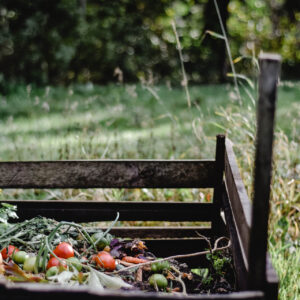
Composting is a fantastic way to recycle organic waste, but sometimes it can come with a few hiccups. Maybe your compost smell is getting funky, things aren’t breaking down as they should, or some furry mould has appeared. Fear not! Together, we will tackle common composting problems to keep your compost healthy and odour-free.
Overcoming a Bad Compost Smell: Keep Calm and Compost On
Don’t let a smelly compost discourage you. By troubleshooting common composting problems and following these tips, you can keep your compost healthy and the compost smell at bay. Remember, even the most experienced composter encounters the occasional odour issue. By persisting and learning from these challenges, you’ll continue to contribute positively to the planet and give your garden the nutrient-rich compost it craves.
Tips for a Successful Compost
- Maintain the right balance of materials: Ensure you have a healthy mix of carbon-rich “brown” materials (e.g. leaves, straw, and paper) and nitrogen-rich “green” materials (e.g. fruit and vegetable scraps, grass clippings, and coffee grounds).
- Turn your compost regularly: This helps introduce oxygen, promotes airflow, and speeds up the decomposition process.
- Keep an eye on moisture levels: Your compost should be damp like a wrung-out sponge. If it’s too wet, add more brown materials; if it’s too dry, add water or green materials.
- Watch for pests: Pests can be attracted to compost piles that contain meat, dairy, or other animal products. Deter them by covering the pile with soil or adding carbon-rich materials like shredded leaves or straw.
- Monitor the compost’s temperature: A well-maintained compost pile will generate heat as it decomposes. If it’s not heating up, try turning it more often or adding more green materials.
- Give it time: Composting takes time, so be patient. Depending on the conditions and materials, it can take anywhere from a few months to over a year for your compost to be ready for use.
The Unpleasant Compost Smell: Common Causes and Solutions
Too Much Moisture
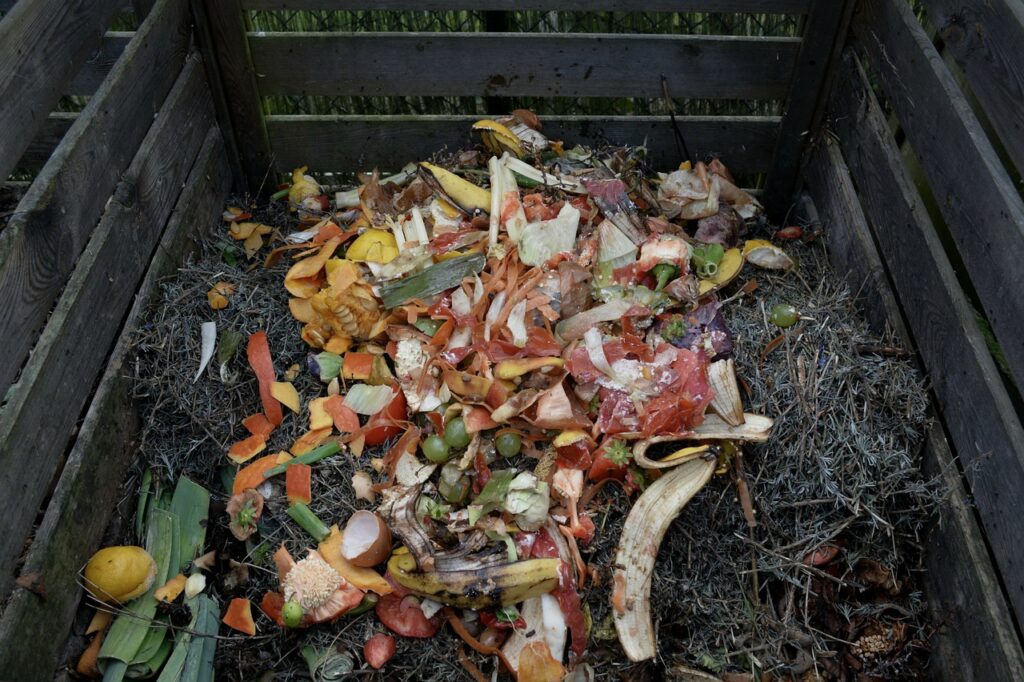
An unpleasant compost smell can indicate that your compost is too wet or compacted. To remedy this, add dry, carbon-rich, brown materials like shredded leaves or straw to absorb excess moisture, and turn the compost pile to introduce more oxygen and promote airflow. Hot spots in your compost pile can be a sign of compaction or an imbalanced carbon-to-nitrogen ratio. Turn the compost pile for more oxygen and airflow, and add bulky materials like straw or shredded leaves to maintain proper aeration and prevent hot spots.
Meat and Dairy Products
These items can produce unpleasant odours, take a long time to break down, and create an unbalanced nitrogen-to-carbon ratio. Unwanted pests like flies, ants, or rodents might be attracted to your compost pile if it contains meat, dairy, or other animal products. To deter pests, cover the compost pile with a layer of soil or add carbon-rich materials such as shredded leaves or straw.
Fats and Oils
Fats and oils can form a layer that prevents air from reaching the compost pile, slowing down the composting process. They can also attract pests and contribute to bad smells. Avoid adding these to your compost.
Slow Decomposition
If your compost pile isn’t breaking down as quickly as you’d like, it may be due to an imbalanced carbon-to-nitrogen ratio or insufficient moisture or oxygen. Add more green materials like kitchen scraps or fresh grass clippings to increase nitrogen content, and introduce more water to raise moisture levels. Regularly turning your compost will also help introduce more oxygen and promote airflow.
Pet Waste
Pet waste can cause unwanted compost smells and may contain pathogens and parasites harmful to humans and pets. Avoid adding pet waste to your compost.
Keeping Your Compost Healthy: How to Avoid a Bad Compost Smell
Some waste can damage your finished compost and harm the environment. Keep the following items out of your compost:
- Diseased plants or weeds that have gone to seed
- Coal or charcoal ash
- Synthetic fibres
- Treated materials (e.g. with pesticides, herbicides, or other chemicals)
What You Can and Can’t Compost
Compostable Items
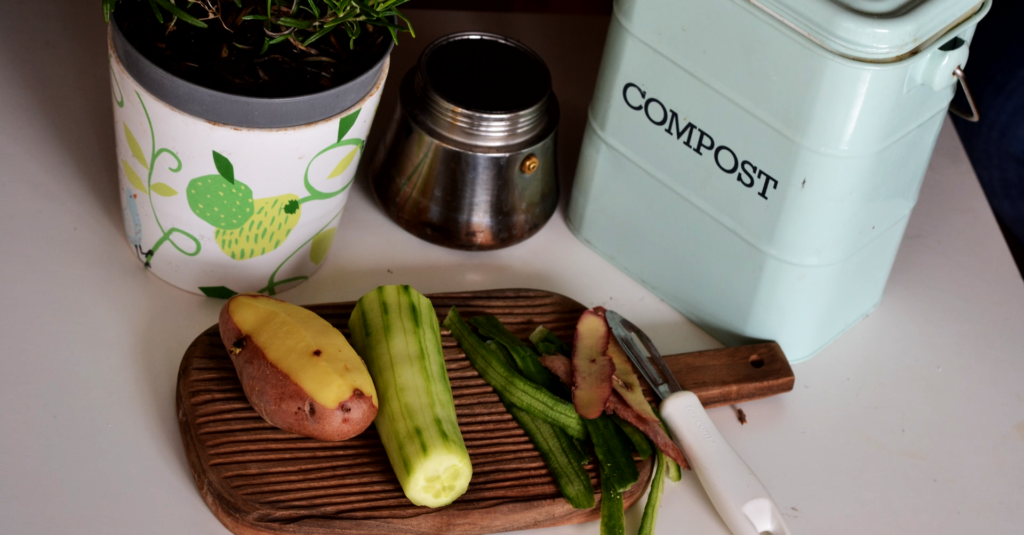
- Fruit and vegetable scraps
- Eggshells
- Coffee grounds and tea bags
- Grass clippings
- Leaves
- Shredded paper or newspaper
- Cardboard
- Sawdust and wood shavings
- Plant trimmings
- Nut shells
- Hay and straw
- Dryer lint and hair (from humans and pets)
- Wood chips
Non-Compostable Items
- Meat and dairy products
- Bones
- Fats and oils
- Pet waste (including cat litter)
- Diseased plants or weeds that have gone to seed
- Charcoal ash or briquettes
- Coal ash
- Synthetic fibres (e.g. polyester or nylon)
- Plastic or metal
- Glossy paper or magazines
- Receipts
- Anything treated with pesticides, herbicides, or other chemicals
The Importance of Composting
Composting is more than just a way to recycle organic waste; it’s an essential part of sustainable living. By transforming waste into valuable, nutrient-rich compost, you’re not only reducing landfill waste but also nourishing your garden, improving soil structure, and promoting healthy plant growth. Plus, the sense of accomplishment you’ll feel when using your homemade compost to nurture your garden is priceless.
So, the next time you encounter a compost smell or other challenges, remember that you’re contributing to a greener, healthier planet. Keep calm, compost on, and watch your garden thrive!