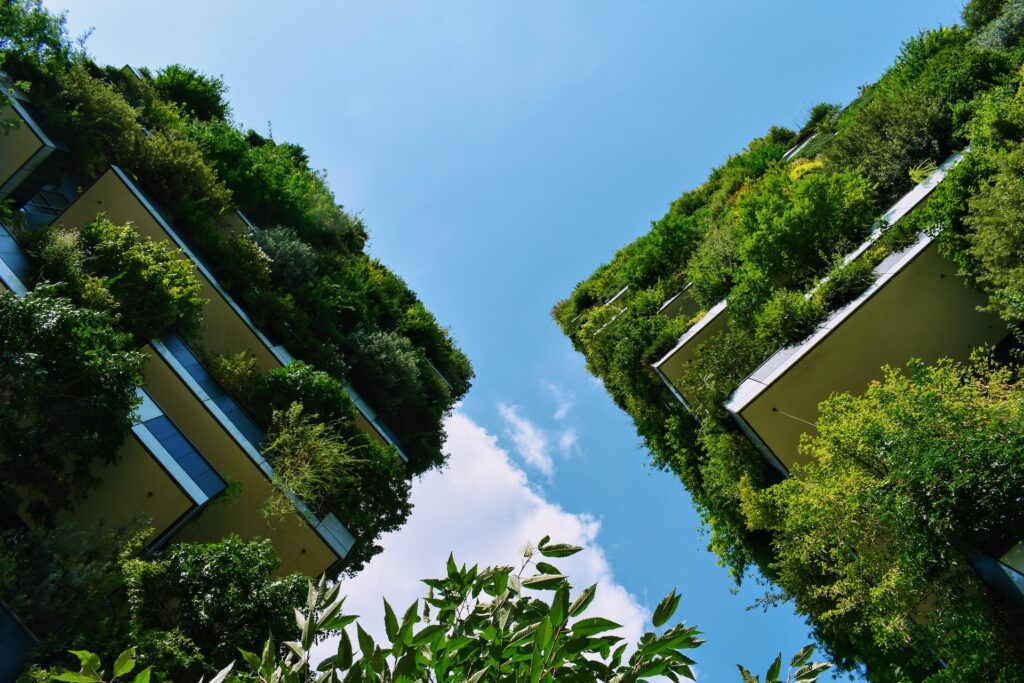
Biophilic design revolves around the idea of incorporating elements of nature into living spaces to create a stronger connection with the natural world. You can read my other article to learn what is biophilic design. In this article, we’ll delve into some practical tips for incorporating biophilic design into your home. Get ready to transform your living space into a soothing, nature-inspired haven!
Practical Ways to Incorporate Biophilic Design in Your Home
Incorporating Natural Light
Maximising Window Placement. To make the most of natural light, consider the placement of your windows. If you live in the southern hemisphere north-facing windows provide the most sunlight throughout the day. South-facing windows will offer a more consistent, diffused light. In rooms where you want ample sunlight, such as living areas and kitchens, you would prioritise north-facing windows. You can then use window treatments like blinds or curtains to control the amount of light entering a space.
Skylights and Light Tubes. An excellent options for bringing natural light into areas where windows might not be feasible, like interior rooms or hallways. Skylights, which are essentially windows in the ceiling, allow sunlight to flood in from above. Light tubes, on the other hand, use reflective surfaces to channel sunlight from the roof into the room below.
Light Shelves and Reflective Surfaces. Light shelves are horizontal surfaces placed above eye level, typically near windows. They help to bounce sunlight deeper into a room, increasing the overall natural light. Similarly, incorporating reflective surfaces like mirrors, glass, and glossy finishes can help to distribute natural light more evenly throughout your space.
Enhancing Air Quality and Circulation
Ventilation Strategies. Proper ventilation is essential for maintaining good indoor air quality. Opening your windows and doors regularly will help circulate fresh air throughout your home. Additionally, you can use mechanical ventilation systems like exhaust fans, or air purifiers to maintain a healthy indoor environment.
Indoor Plants. A simple yet effective way to improve air quality while also adding visual interest and a touch of nature to your living space. Some of the more popular air-purifying plants include the snake plant, spider plant, and pothos. For a more dramatic statement, you could consider incorporating a living wall or vertical garden into your design.
Natural Air Purifiers. Natural air purifiers, like activated charcoal bags or beeswax candles, can help to neutralize odours and remove pollutants from your indoor air. These options are eco-friendly and aesthetically pleasing, making them a perfect addition to your biophilic home.
Integrating Water Features
Indoor Fountains and Water Walls. These can create a calming ambiance while also acting as natural humidifiers. The soothing sound of flowing water can also help to drown out background noise and create a more peaceful environment.
Aquariums. Not only visually appealing, but aquariums also offer numerous health benefits. Studies have shown that watching fish swim can help to lower stress levels, reduce blood pressure, and even improve sleep quality. Plus, aquariums can act as natural room dividers or focal points in your space.
Rain Chains and Outdoor Water Features. A decorative alternative to traditional downspouts, rain chains guide rainwater from the roof to the ground in a visually pleasing manner. Outdoor water features, like ponds or fountains, can help to create a tranquil and inviting outdoor living area while also attracting local wildlife.
Utilising Natural Materials
Incorporating wood and stone into your home’s design can promote a sense of warmth and authenticity. Wood can be used for flooring, furniture, and decorative accents, while stone can be featured in countertops, fireplaces, flooring, or accent walls. Mixing and matching natural materials that you enjoy can help to create a rich, textured environment that feels grounded in nature. Choosing reclaimed or recycled materials where possible is a sustainable and eco-friendly way to incorporate natural elements into your home. Reclaimed wood can provide gorgeous textures and stories while materials like recycled glass can be transformed into countertops or backsplash tiles.

When choosing textiles for your home, opt for natural fibers like cotton, linen, or wool to keep with the biophilic design principles. These materials are not only eco-friendly but also provide a cozy and comfortable atmosphere. You can consider using natural fibre rugs, cushions, or throws to add texture and warmth to your spaces.
Incorporating Nature-inspired Colours, Patterns, and Forms
Nature-inspired color palettes can help to create a soothing and harmonious atmosphere in your home. Consider using soft earth tones like greens, browns, and beiges, or shades inspired by the sky and water, such as blues and grays. Incorporating pops of vibrant colors found in flowers, birds, or other natural elements will help with an added visual interest. Consider wallpaper and textiles featuring botanical prints, landscapes, or other nature-inspired patterns can bring a sense of connection to the outdoors.
Organic Shapes in Furniture and Accessories
Incorporating furniture and accessories with organic shapes and contours can help to create a sense of fluidity and harmony in your living spaces. Look for items that take inspiration from nature, like a coffee table with a live-edge wood slab or a light fixture with a biomorphic design.
Create a Sense of Space and Place
Indoor-outdoor living spaces are an excellent way to blur the boundaries between your home and its surroundings. Consider incorporating large sliding doors or floor-to-ceiling windows that open onto patios, decks, or gardens. This seamless transition between spaces will encourage a stronger connection to the outdoors and create the perfect setting for relaxation and entertaining.
When its time to escape the hustle and bustle of everyday life, creating cozy nooks and private retreats within your home can provide a sense of refuge and encourage relaxation. Consider carving out a small reading corner, a meditation space, or even a dedicated area for hobbies like painting or knitting.
Successful Biophilic Home Design Examples
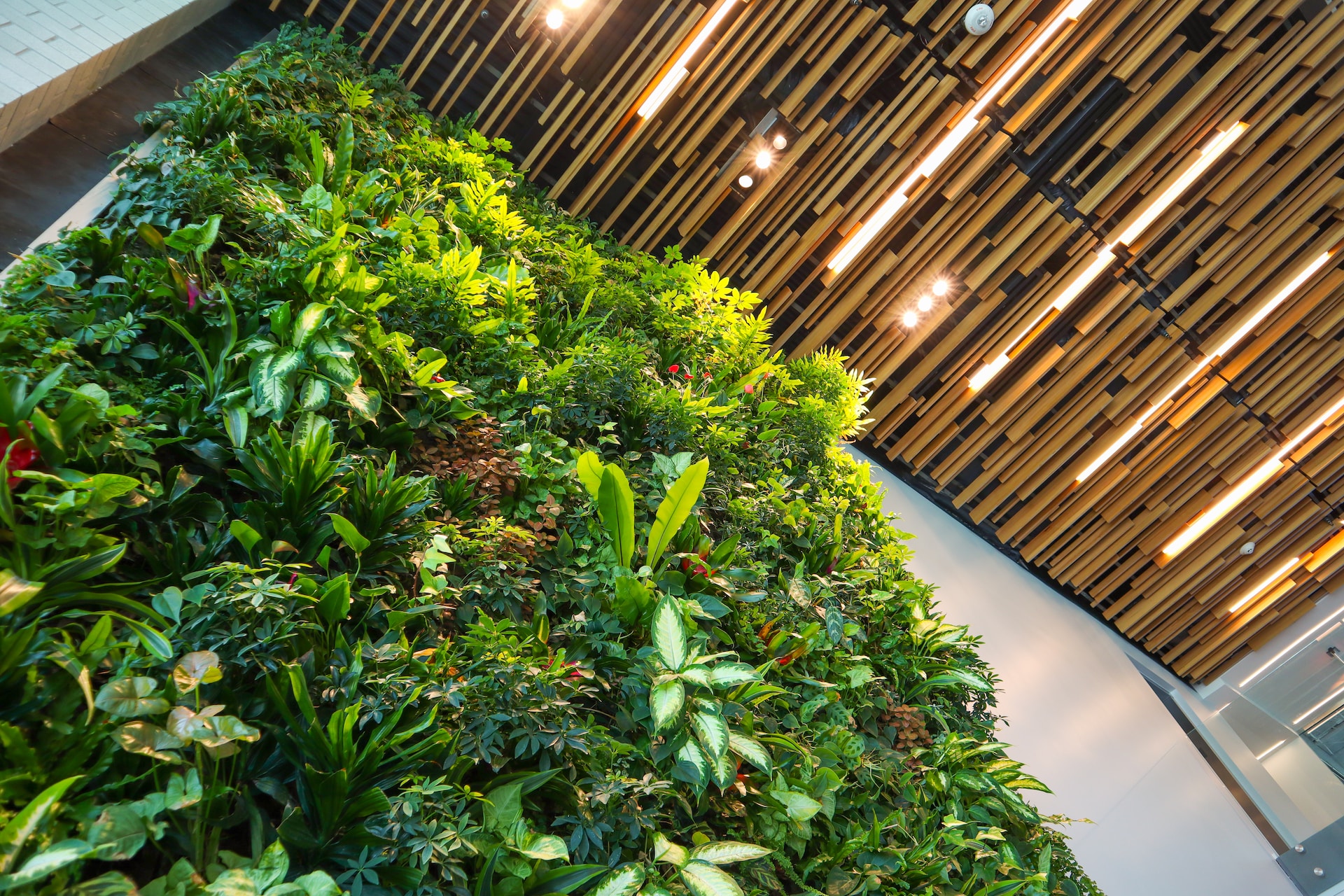
Urban Biophilic Apartment
In this Vietnamese home, biophilic design principles have been expertly applied to create a light and airy environment. The building uses reclaimed bricks to incorporate a unique way to help reduce air pollution. The use of natural materials like wood and stone further enhances the connection to nature.
Rural Biophilic Retreat
Nestled in the Canadian wilderness, this modern cabin showcases stunning biophilic design elements, including floor-to-ceiling windows that frame the surrounding landscape, a green roof, and the use of natural materials like wood, stone, and concrete. The design promotes a strong connection to nature while also providing a comfortable and sustainable retreat.
Your turn to experiment!
Incorporating biophilic design principles into your home can have a profound impact on your well-being, fostering a deeper connection to nature and creating a more soothing and restorative living environment. By embracing elements like natural light, air, and water, using nature-inspired materials and colours, and designing spaces that cater to our innate needs for both prospect and refuge, you can transform your home into a nurturing sanctuary that promotes mental and physical health.
I encourage you to explore and experiment with biophilic design elements, taking inspiration from the principles and practical tips discussed in this article. Remember, the ultimate goal is to create a harmonious and nurturing space that not only reflects your personal style but also fosters a genuine connection with nature. Happy designing!