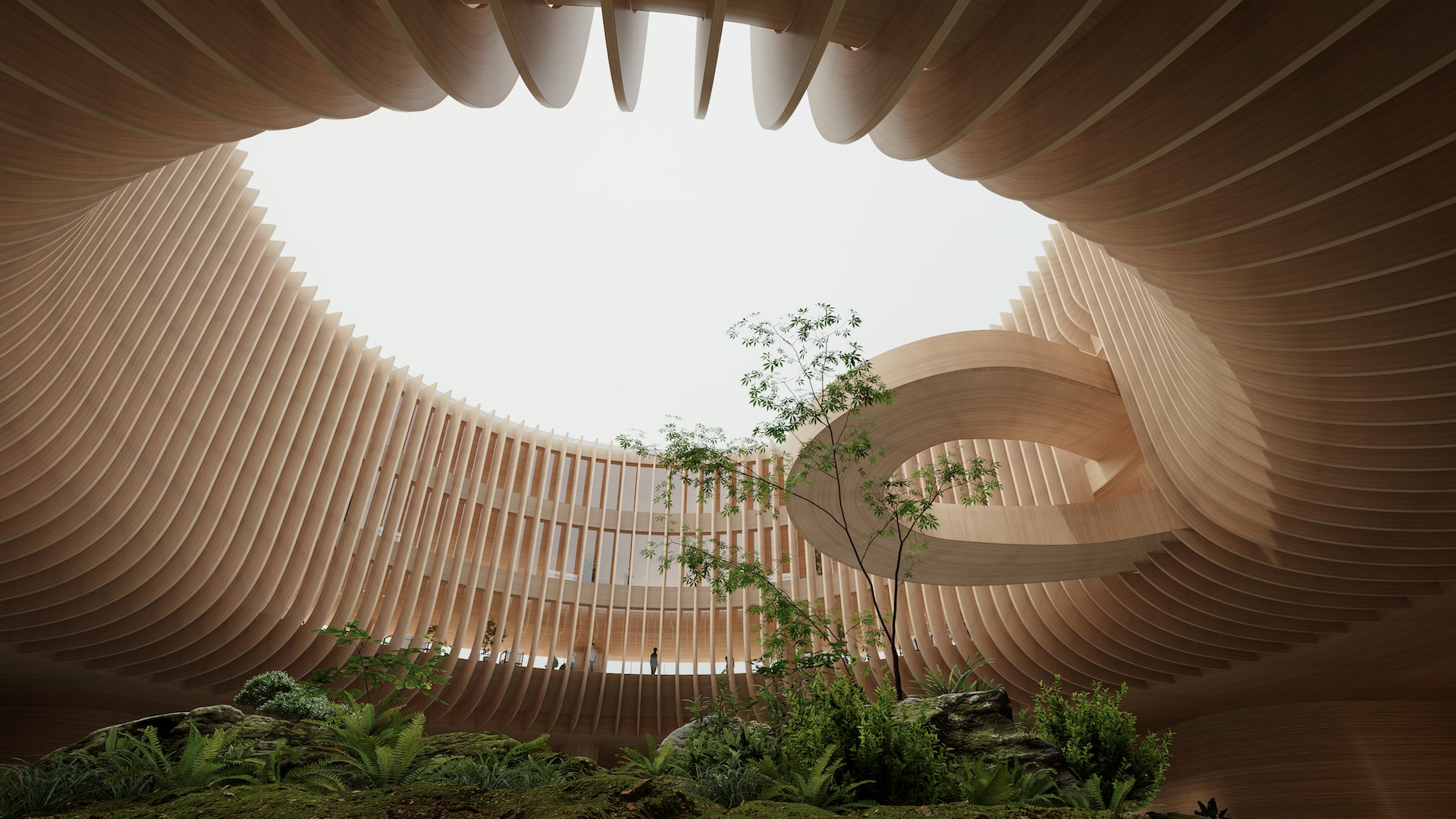
What is Biophilic Design?
At its core, biophilic design is a concept that seeks to connect people to nature by incorporating natural elements into the built environment. Biophilic design aims to enhance our health, well-being, and productivity by creating spaces that mimic the natural world. It’s about creating a space that is not only visually pleasing but also promotes a sense of calm and relaxation.
Biophilic design is more than just adding a few plants to your workspace or home. It is an intentional design approach that considers the ways in which we can connect with nature, such as through natural light, water features, natural materials, and more. By incorporating these elements into our built environment, we can create spaces that promote physical and mental health, productivity, and creativity.
History of Biophilic Design
The concept of biophilic design is not a new one. Humans have been incorporating natural elements into their built environment for centuries. However, the term “biophilic design” was only coined in the 1980s by biologist Edward O. Wilson. Wilson argued that humans have an innate connection to nature, and that this connection is essential to our health and well-being.
Since then, biophilic design has gained momentum and has become a popular approach to sustainable design. In recent years, the concept has been embraced by architects, designers, and builders around the world who are looking to create spaces that not only look beautiful but also promote health and well-being.
The Science Behind Biophilic Design
Biophilic design prioritises the integration of nature into our built environment with the goal to help improve our health and well-being. The design concept recognises the benefits of exposure to nature, such as natural light and greenery, and incorporates them into our living and workspaces.
One way biophilic design promotes health and well-being is through the use of natural materials like wood and stone. These materials have a calming effect on our nervous system and can help reduce stress levels. Natural materials also have a lower carbon footprint than synthetic materials, making them a more sustainable choice.
Another way in which biophilic design promotes health and well-being is through the use of natural light. Exposure to natural light has been linked to assist with improving sleep patterns, as well as increased productivity and creativity. Biophilic design takes advantage of natural light by incorporating large windows, skylights, and other features that allow natural light to flood into our living and workspaces.
Understanding the Key Principles of Biophilic Design
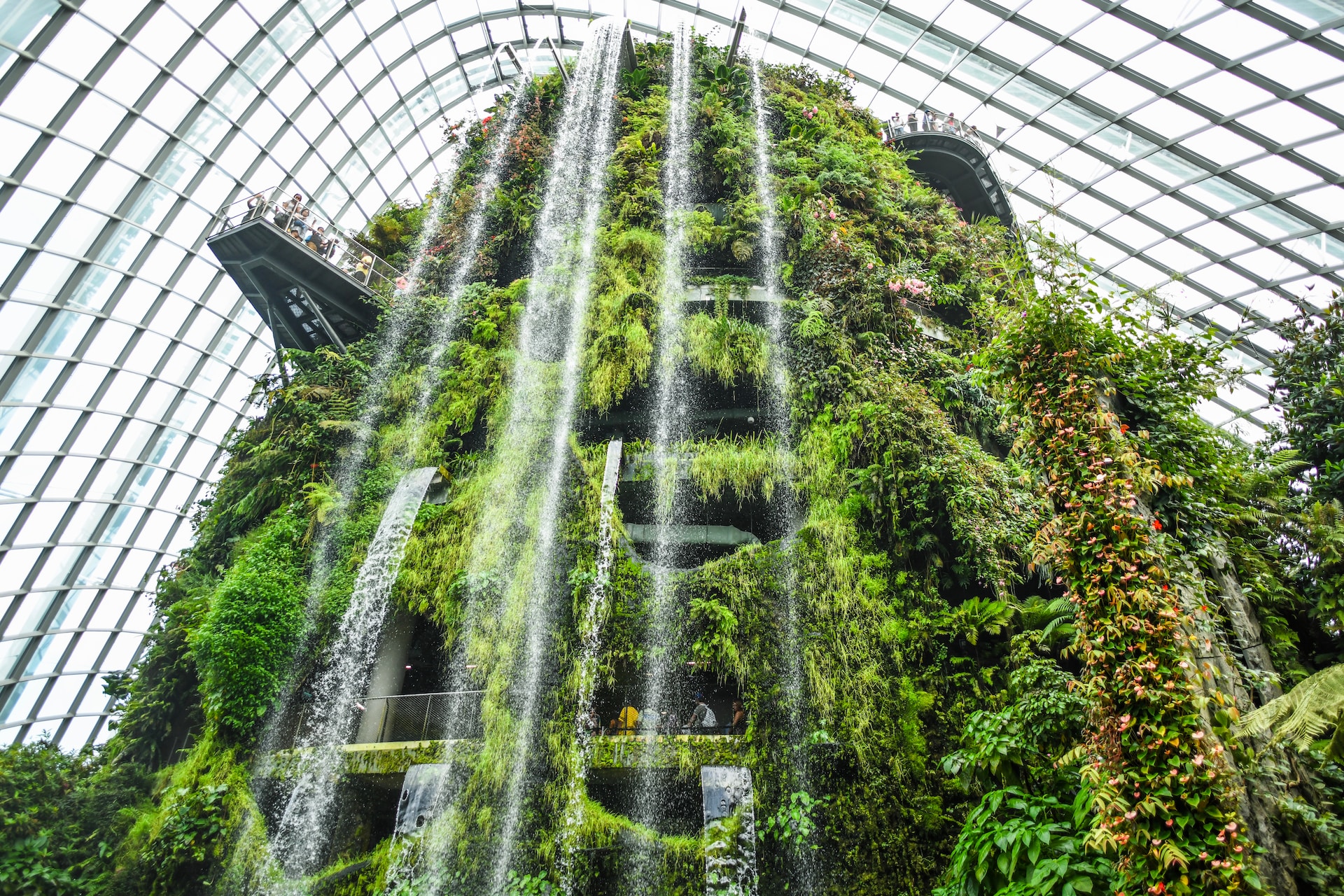
Biophilic design focuses on three main areas: direct experience of nature, indirect experience of nature, and experience of space and place. Let’s explore these principles and their corresponding elements.
1. Direct Experience of Nature
Light
Exposure to natural light has been shown to have a positive effect on our health and well-being. Natural light plays a crucial role in our overall well-being. It regulates our circadian rhythm, improves mood, and reduces stress. Biophilic design takes advantage of natural light by allowing natural light to flood into the space. By doing so, this helps to create a more pleasant and healthy indoor environment.
Air
Fresh air and proper ventilation contribute to a healthier indoor environment. Biophilic design seeks to optimise air quality and circulation through a combination of natural and mechanical ventilation strategies, as well as the incorporation of air-purifying plants.
Plants are a crucial element in biophilic design, and for good reason. Not only do they add a touch of natural beauty to a space, but they also have several benefits that can contribute to our well-being and the environment. One of the main benefits of plants is their ability to improve indoor air quality. Plants can absorb carbon dioxide and other pollutants from the air and release oxygen, helping to purify the air we breathe.
Plants also create a sense of calm and relaxation in a space, helping to reduce stress levels and promote mental health. Exposure to nature, including plants, can help reduce symptoms of anxiety and depression and improve overall well-being.
Living walls, which are walls covered in plants, are a popular feature in biophilic design. These walls can help bring nature into indoor spaces, and can be used to create a focal point or add interest to a room. Living walls can also be used to improve acoustics in a space, as the plants can help absorb sound and reduce noise levels.
Water
A natural stress-reliever with a calming effect on our minds. Incorporating water features in a biophilic design creates a serene atmosphere, providing opportunities for relaxation and rejuvenation. Water has a soothing effect on our minds, and the sound of flowing water can create a calming effect. This is because the sound of water is consistent and predictable, which can help to reduce stress levels and improve our mood. In addition to their calming effect, water features are also visually appealing and provide a sense of tranquility.
Incorporating water features into our built environment can also have environmental benefits. They can also help to purify the air by releasing negative ions, which assist to remove pollutants and allergens from the air. In addition, water features can help to regulate temperature and humidity levels, which can help improve indoor air quality and reduce energy consumption
2. Indirect Experience of Nature
Natural Materials
Biophilic design is all about bringing the natural world into our built environment, and one way to achieve this is by incorporating natural materials. Materials such as wood, stone, and even natural fibers like cotton and linen, can be used to create a more natural, organic feel in a space. Creating a sense of connection to the environment, these materials bring warmth, texture, and a sense of authenticity to your space. Natural materials also help to create a healthier indoor environment, as they are often non-toxic and free of harmful chemicals.
Incorporating the natural patterns and textures found in these materials can create a sense of warmth and comfort, making spaces feel more inviting and welcoming. By using natural materials, this creates a more harmonious relationship between people and the natural world.
Nature-inspired Colours and Patterns
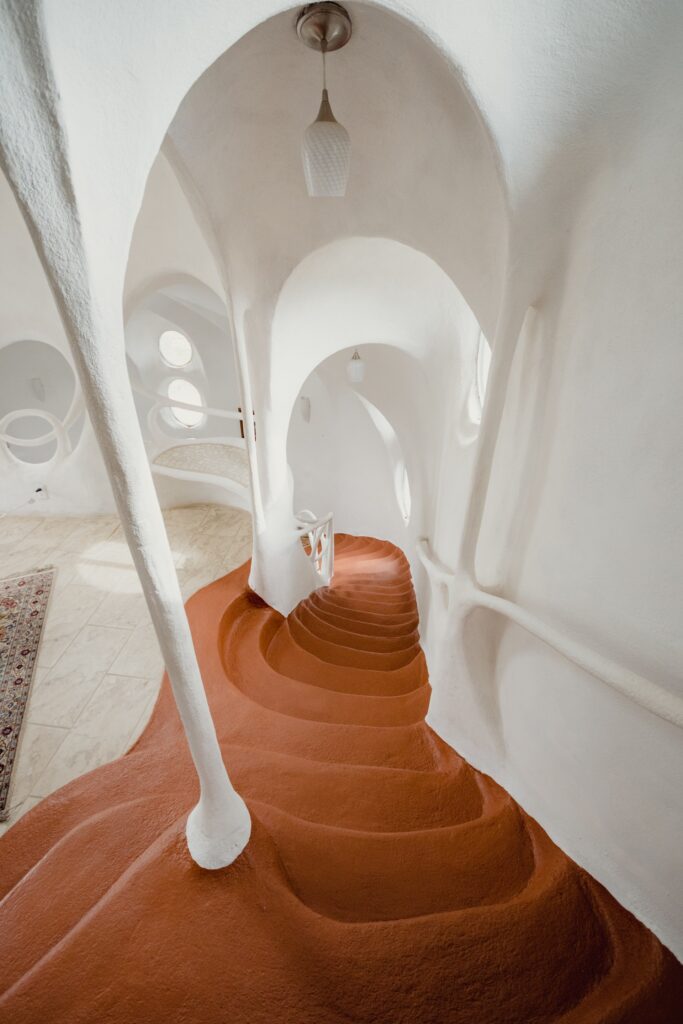
Nature-inspired colours also play a significant role in biophilic design. They help evoke a sense of the outdoors and help create a calming and restorative atmosphere. Colours such as blues and greens, which are commonly found in natural environments, can help create a sense of calm and relaxation. These colours are known to have a positive impact on our mood and can help to reduce stress levels.
Biomorphic Forms
These are shapes and patterns inspired by nature, such as the curves and contours of plants, animals, or landscapes. Curved lines can represent the shape of a river, while arches could resemble the natural curve of a tree branch. Incorporating these forms into your home’s design can create a sense of harmony and fluidity.
3. Experience of Space and Place
Spatial Variability
Spatial variability, as an essential element of biophilic design. Focusing on incorporating a diverse range of spaces within a built environment to enhance human well-being and connectivity to nature. By creating a mix of open, airy areas and more enclosed, intimate spaces, biophilic design aims to accommodate the varying needs and preferences of occupants, ultimately promoting comfort, relaxation, and productivity.
Prospect and Refuge
The concept of prospect and refuge is a principle, which aims to create spaces that strike a balance between openness and visibility (prospect) and privacy and seclusion (refuge). This balance caters to our innate human needs for both exploration and retreat, ultimately fostering well-being, comfort, and a sense of security within a built environment.
Originating from the field of environmental psychology, the theory of prospect and refuge suggests that humans have an evolutionary preference for spaces that offer both opportunities to survey the surrounding environment and places to retreat to and feel protected. A well-designed biophilic home will incorporate both types of spaces, catering to our need for both exploration and retreat.
Cultural and Ecological Attachment to Place
The principle of cultural and ecological attachment highlights the importance of integrating local culture, history, and ecology into the design of a built environment. By acknowledging and celebrating these elements, biophilic design aims to foster a strong sense of identity, connection, and belonging to the surrounding environment, enhancing the well-being of its occupants and promoting sustainable practices.
Real-life Examples of Biophilic Design

Biophilic design can be seen in a range of spaces, from homes and offices to public spaces like parks and museums. Here are a few examples of biophilic design across the world in action.
Amazon Spheres, Seattle. The Amazon Spheres in Seattle are a great example of biophilic design. Made up of three glass domes that are filled with over 40,000 plants from around the world, creating a stunning indoor rainforest.
Parkroyal on Pickering, Singapore. The Parkroyal on Pickering Hotel in Singapore features a stunning sky garden that incorporates greenery into the building’s facade. The hotel also features a range of other biophilic design elements, such as water features and natural materials.
The Bosco Verticale, Milan. The Bosco Verticale, or “Vertical Forest,” in Milan is a pair of residential towers that incorporate over 900 trees into their design. The towers also include natural materials and water features.
Sustainability and Biophilic Design
Biophilic design is not only good for our health and well-being, but it’s also good for the environment. By incorporating natural materials into our built environment, we can reduce our reliance on synthetic materials that have a higher carbon footprint. Additionally, biophilic design can help to improve air quality by incorporating plants and living walls into our living and workspaces.
The Environmental Impact of Biophilic Design
Biophilic design can help reduce the environmental impact of our built environment. By incorporating natural elements it reduces the need for synthetic materials. For example, incorporating plants into a building can help improve indoor air quality by filtering out pollutants and increasing oxygen levels. This can help reduce the need for mechanical ventilation systems, reducing greenhouse gas emissions.
Additionally, features such as skylights and large windows, can be used to illuminate spaces, reducing the need for electric lighting during daylight hours. This can help reduce energy consumption and lower carbon emissions.
The Importance of Sustainable Materials and Construction Practices
Sustainable materials and construction practices are an important aspect of biophilic design. By using materials that are locally sourced, non-toxic, and renewable, helps reduce the environmental impact of the building process and contribute to a greener future.
Additionally, biophilic design can incorporate principles of circular design. This prioritises the use of materials that can be recycled or repurposed at the end of their useful life. By designing buildings and interiors with these principles in mind, biophilic design can help reduce waste and promote a more circular economy.
The Role of Biophilic Design in Creating a Greener Future
Biophilic design can play an important role in creating a greener future by promoting sustainable practices and encouraging people to connect with nature. By incorporating natural elements into our built environment, we create spaces that are comfortable and inviting, while also reducing our impact on the environment.
Furthermore, this design style can help promote a deeper appreciation for nature and encourage people to adopt more sustainable habits in their daily lives. By designing buildings with natural light and ventilation, we help create spaces that are more conducive to outdoor activities and reduce the need for energy-intensive indoor activities.
Overall, biophilic design is a sustainable approach to architecture and interior design that can help promote a greener future by incorporating natural elements, promoting sustainable practices, and encouraging people to connect with nature. Continue reading about how you can incorporate biophilic design in your own home.