In today’s world, many of us are becoming more aware of the impact our actions have on the environment. As a result, we’ve seen a growing interest in sustainable living and reducing our carbon footprint. One way to achieve this is through carbon offsets. But what are carbon offsets, and how can they benefit eco-conscious individuals? Let’s explore the world of carbon offsets, examine how they work, and how you can incorporate them into your sustainability efforts.
What Are Carbon Offsets
Carbon offsets are a way for individuals, businesses, and governments to compensate for their greenhouse gas emissions by investing in projects that reduce or remove an equivalent amount of carbon dioxide (CO2) or other greenhouse gases from the atmosphere. In essence, carbon offsets allow us to balance out the emissions we generate through our activities, aiming for a net-zero impact on the environment.
The primary purpose of carbon offsets is to combat climate change by reducing the overall amount of greenhouse gases in the atmosphere. These offsets can also support sustainable development, create jobs, and provide additional environmental benefits like improved air and water quality.
For eco-conscious individuals, carbon offsets can help you to:
- Reduce your personal carbon footprint.
- Support projects that align with your values and contribute to a greener planet.
- Take responsibility for the environmental impact of your lifestyle choices.
How Carbon Offsets Work in Practice
When you purchase a carbon offset, you’re investing in a project that reduces or removes greenhouse gas emissions elsewhere. These projects are typically measured in metric tons of CO2 equivalent. The funds from your purchase go towards implementing and maintaining the project, which in turn generates a reduction in emissions. This reduction is then ‘credited’ to you, effectively offsetting your own emissions.
Types of Carbon Offset Projects
There are several types of carbon offset projects, each with its own benefits and potential impact on the environment. Let’s explore some of the most common project types.
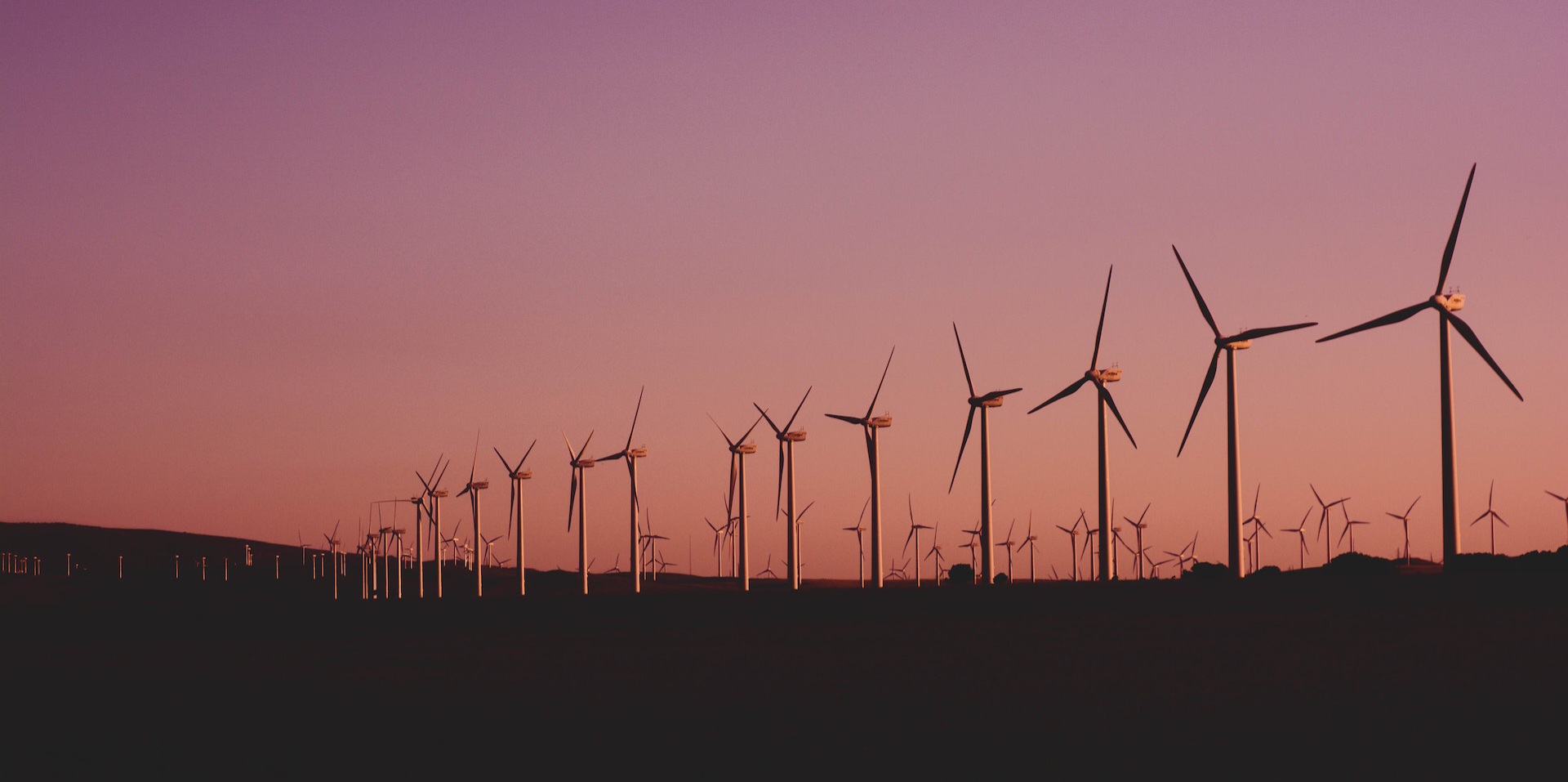
Renewable Energy Projects
Renewable energy projects involve the development and implementation of clean energy sources, such as wind, solar, or hydroelectric power. By replacing fossil fuel-based energy generation with renewable alternatives, these projects help to reduce the overall greenhouse gas emissions associated with electricity production. The Walney Extension Offshore Wind Farm in the UK or the Kamuthi Solar Power Project in India are some examples of renewable energy projects.
Energy Efficiency Projects
These projects focus on improving the energy efficiency of buildings, industrial processes, or transportation systems. By reducing the amount of energy needed to carry out various activities, these projects help to lower greenhouse gas emissions.
Methane Capture Projects
Methane, a potent greenhouse gas, is often released as a byproduct of various industrial processes, such as oil and gas extraction or waste management. Methane capture projects involve capturing and utilising or destroying this methane, preventing it from being released into the atmosphere.
Reforestation and Afforestation Projects
Reforestation and afforestation projects involve planting new trees or restoring existing forests to increase the capacity of the earth’s natural carbon sinks. Trees absorb CO2 from the atmosphere as they grow, effectively removing greenhouse gases and storing them as biomass. Well-known examples of reforestation projects include the Great Green Wall initiative in Africa and the Trillion Trees campaign, which aims to plant and protect a trillion trees around the world.
Carbon Capture and Storage (CCS) Projects
CCS technology aims to capture CO2 emissions from large point sources, such as power plants or industrial facilities, and store them underground to prevent their release into the atmosphere. While still an emerging technology, CCS projects hold promise for reducing emissions from some of the most carbon-intensive industries. The Sleipner CO2 Storage Project in Norway is one of the first and longest-running CCS projects in the world.
What are Carbon Offset Standards and Certification
To ensure the effectiveness and credibility of carbon offset projects, various standards and certifications have been established. These certifications help guarantee that projects are achieving real, measurable, and verifiable emissions reductions. They also ensure that projects are additional, meaning that the emissions reductions would not have occurred without the carbon offset funding.
There are several major certification standards in the carbon offset market, each with its own set of criteria and requirements. Some of the most prominent standards include:
Verified Carbon Standard (VCS)
The Verified Carbon Standard is a widely recognised global standard for voluntary carbon offset projects. It provides a robust framework for measuring, reporting, and verifying emissions reductions, ensuring that projects meet high-quality criteria.
Gold Standard
Developed by the World Wide Fund for Nature (WWF) and other international NGOs, the Gold Standard is a rigorous certification for carbon offset projects that also deliver sustainable development benefits, such as improved livelihoods or biodiversity conservation.
Climate Action Reserve (CAR)
The Climate Action Reserve is a US-based standard that focuses on ensuring the integrity, transparency, and financial value of carbon offset projects. It has developed protocols for various project types, including forestry, methane capture, and energy efficiency.
Importance of Third-Party Verification
Third-party verification is a crucial aspect of the carbon offset certification process. Independent verifiers assess project documentation, conduct site visits, and evaluate the project’s adherence to the chosen certification standard. This helps to ensure the credibility and effectiveness of the carbon offsets being generated.
Purchasing Carbon Offsets

Identifying Reputable Carbon Offset Providers
When looking to purchase carbon offsets, it’s essential to choose a reputable provider that offers projects certified by one of the major standards mentioned earlier.
Factors to Consider When Choosing a Project
When selecting a carbon offset project, consider the following factors:
- Type of project: Choose a project that aligns with your values and interests, whether it’s renewable energy, reforestation, or methane capture.
- Location: You may wish to support projects in specific countries or regions, or local to you.
- Co-benefits: Look for projects that provide additional environmental, social, or economic benefits, such as supporting local communities, improving air and water quality, or promoting biodiversity.
- Certification: Ensure that the project is certified by a reputable standard, such as VCS, Gold Standard, or CAR, to guarantee its credibility and effectiveness.
The Cost of Carbon Offsets and Pricing Factors
The price of carbon offsets can vary depending on factors such as the type of project, its location, and the certification standard used. When purchasing offsets, it’s essential to balance the cost with the quality and impact of the project.
Carbon Offsets for Individuals and Businesses
Eco-conscious individuals can use carbon offsets to compensate for the emissions generated by their daily activities, such as driving, flying, or using electricity at home. By calculating your personal carbon footprint using tools like the WWF Footprint Calculator, you can determine the number of carbon offsets needed to neutralise your emissions. Keep in mind, however, that carbon offsets should be used alongside other efforts to reduce your emissions, such as conserving energy, using public transportation, or incorporating plant-based makes in your diet.
For businesses, carbon offsets can play a crucial role in achieving sustainability goals and demonstrating environmental responsibility. Companies can use offsets to compensate for their emissions from operations, supply chains, or employee travel. By incorporating carbon offsets into their sustainability strategies, businesses can demonstrate their commitment to reducing their environmental impact and potentially enhance their brand reputation.
Carbon Offsets vs. Direct Emissions Reduction
While carbon offsets can play a valuable role in mitigating climate change, it’s essential to prioritise direct emissions reduction efforts. This means actively working to reduce your carbon footprint at home by implementing sustainable practices, such as increasing energy efficiency, using renewable energy, or reducing waste.
Carbon offsets should be considered a complementary tool in your sustainability toolkit, helping you to balance any unavoidable emissions generated by your activities. By combining carbon offsets with direct emissions reduction efforts, you can work towards achieving net-zero emissions, a critical goal in the fight against climate change.
What are carbon offsets for you
For eco-conscious individuals, understanding what are carbon offsets is an essential step in taking responsibility for your environmental impact and contributing to a greener planet. By investing in certified carbon offset projects, you can support the reduction of global greenhouse gas emissions and help combat climate change.
Remember, though, that carbon offsets should not replace your efforts to reduce your emissions directly. Instead, use them as a complementary tool alongside your sustainable lifestyle choices to work towards a net-zero carbon footprint. By taking a holistic approach to sustainability, you can make a meaningful difference in the fight against climate change.